THIS CHILD HAS A BRAIN TUMOR
When tumor shrinkage may be possible, it makes you think what else can be
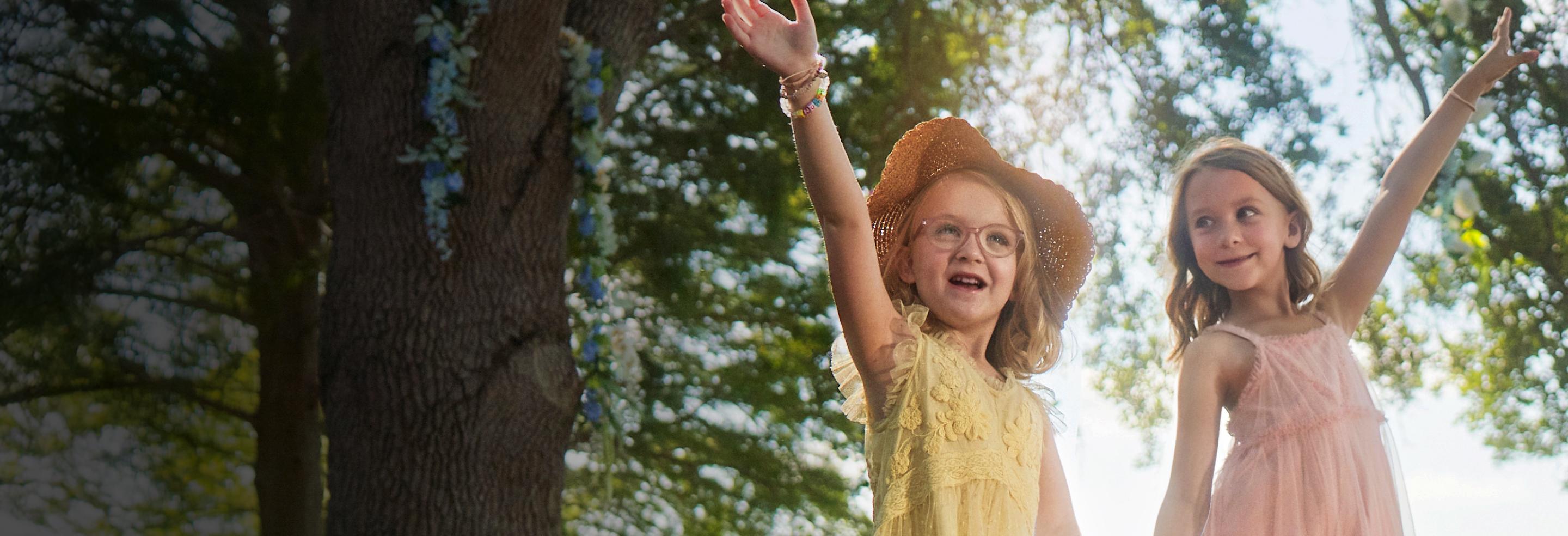





Sawyer (left), lives with pLGG, and Parker, Sawyer's sister
OJEMDA can shrink tumors. It is a clinically proven oral targeted therapy for children as young as 6 months living with pLGG that's returned or is unresponsive to current treatment caused by an abnormal BRAF gene.
Once-a-week OJEMDA is available in both tablet and liquid form. It can be taken conveniently at home, or where your family is most comfortable.
Hear from caregivers


Real families. Real experiences. Watch caregivers discuss their pLGG journeys all the way from diagnosis through treatment with OJEMDA
Safety & side effects


OJEMDA was developed, tested, and FDA-approved for children. Side effects may occur, but many can be managed, especially if you're prepared. Learn how other families navigate them
Dedicated support

EveryDay Support From Day One™ provides personalized support, right from the start of treatment
See why other families chose OJEMDA for their child living with pLGG
See why other families chose OJEMDA for their child living with pLGG
ON SCREEN: REAL FAMILIES. REAL EXPERIENCES. DECIDING ON OJEMDA™ (tovorafenib)
AARON: Olive, she is a lot. She's fantastic, very smart, witty, very funny and full of energy.
ON SCREEN: TRISTA & AARON parents of Olive who was treated with OJEMDA for 25 months
REEBA: Myla was adopted from birth and, from day one, we’ve always talked to Myla
ON SCREEN: REEBA mother of Myla who was treated with OJEMDA for 25 months
REEBA: about being adopted and one of the things I tell her over and over again is your birth mom was your life mom. But I am your love mom.
MANDY: Gabby is her own person in every sense of the word.
ON SCREEN: MANDY mother of Gabby who was treated with OJEMDA for 25 months
MANDY: She literally beats to her own drum and her own parade and nothing stops her.
ON SCREEN: Journey with pLGG
MANDY: Early on, you know, you just think, okay, we can just process this and life will go on. And then you realize, well, where her brain tumor is located, that’s not so easy. And so, surgery cannot get all of it.
AARON: Olive went into treatment, and she actually went through multiple types of chemotherapy over a number of years.
ON SCREEN: OJEMDA is the first and only FDA-approved targeted therapy for children 6 months or older living with pediatric low-grade glioma (pLGG) that returned or did not respond to treatment and who have certain changes in the BRAF gene.
REEBA: Over 11 years of Myla’s life, she has had two major brain surgeries and has gone through four different types of chemotherapies.
MANDY: Over the last seven and a half years, Gabby has had multiple brain surgeries, chemotherapy, and a targeted treatment.
REEBA: It was brutal to watch her lose her hair. It was brutal to watch her get sick. It was brutal to watch her get poked all the time. We called them pokes, right, but she would get IVs.
TRISTA: Olive's team came to us, they all entered the room, and they acknowledged that her tumor was growing, and it was time to have a hard conversation about her treatment going forward.
REEBA: And they told us, “We're really sorry, but it has grown back, and it has grown back fast.”
MANDY: After we got the, the scan results and there was growth yet again, we sat down with her care team and really had that difficult discussion of what options are next, what's, what’s available, what can we do?
ON SCREEN: Learning About OJEMDA
REEBA: That was when we were told about an investigational drug therapy that is now called OJEMDA.
ON SCREEN: OJEMDA received FDA approval in April 2024: the first and only once-weekly treatment for BRAF-altered pLGG
ON SCREEN: What is OJEMDA™ (tovorafenib)? OJEMDA is a prescription medicine used to treat certain types of brain tumors (cancers) called gliomas in people 6 months and older:
• that is a pediatric low-grade glioma (LGG), and
• that has come back after previous treatment or has not responded to previous treatment, and
• that has a certain type of abnormal "BRAF" gene.
Please see full Important Safety Information at the end of this video.
TRISTA: I remember Olive's doctor, outlining all of the information. She was so excited, so enthusiastic. It was really hopeful.
ON SCREEN: OJEMDA can be taken:
• once weekly
• at home
• with or without food
• as tablets or liquid
AARON: So when we have to make a treatment decision, we have a lot to weigh. There's potential benefits, side effects, there's our schedule. Just a lot goes into making those decisions.
REEBA: Make sure that you are asking the questions that you need answers to so that you feel safe, and you feel educated, and you can advocate for your child.
MANDY: Remember that you have a voice in this process. You have an opportunity and you have one patient.
REEBA: Like, how long do we have to be on this drug and how long is this going to be in her system? ON SCREEN: OJEMDA may cause serious side effects, including bleeding problems, skin reactions, including sensitivity to sunlight (photosensitivity), liver problems and slowing of growth (height).
REEBA: So, to know that this trial was only two years and then we'd be able to stop and reassess. That was super comforting.
REEBA: And this medication was actually designed for kids. That meant it wasn't an adult dose adjusted down for children, but it was actually truly a medication that was designed and tested in kids. ON SCREEN: OJEMDA was: DESIGNED for kids. TESTED in kids with pLGG.
ON SCREEN: Deciding on OJEMDA
TRISTA: Every decision that we've made along the way has been in collaboration with Olive's care team.
REEBA: We absolutely trust our care team. They had never steered us wrong.
TRISTA: And they were excited. That helped us feel just a lot more safe and calm about the decision we were making.
REEBA: We spent some time, we went home, we talked about what our options were, and we started to really think about OJEMDA and started to kind of come to a thought that this might be the right option for Myla.
MANDY: Gabby took her first dose on October 31st, 2021. And that really started our journey with this new window of hope. ON SCREEN: The most common side effects of OJEMDA include: • rash
• hair color changes
• feeling tired
• viral infection
• vomiting
• headache
• fever
• dry skin
• constipation
• nausea
• acne
• upper respiratory tract infection
TRISTA: Olive started in December 2021,and like we could kind of dare to be a little more hopeful about where this treatment plan was going for her.
AARON: Yeah.
ON SCREEN: These are not all the possible side effects of OJEMDA. Call your healthcare provider for medical advice about side effects.
“Whether it be researching new treatments or ensuring that our kids’ voices are both heard and valued, advocating for our children is a profound act of love and is one area that we can control when it comes to a pLGG diagnosis.”
—Alexandra, mom of Joseph. Joseph is an OJEMDA patient.
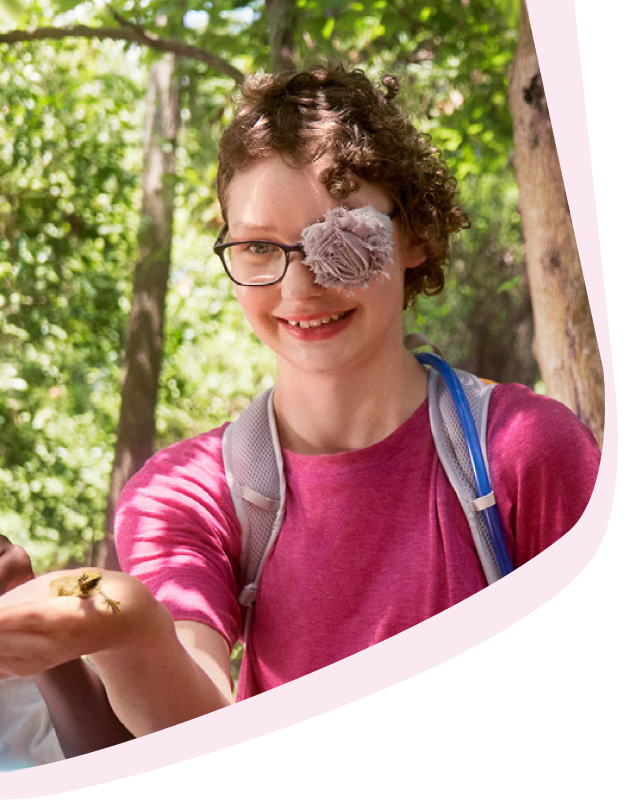

How OJEMDA works
Learn about how OJEMDA works on pLGG tumors with certain changes in the BRAF gene
Discover more
How to learn more about OJEMDA
Get educational resources to support your child’s journey while taking OJEMDA
Download resources

Thank you for inspiring us
Day One would like to thank the clinical trial participants, their families, pediatric cancer advocacy foundations, and investigators who have given us feedback along this journey. We are inspired by the strength of children and families impacted by pLGG. That’s why we put kids first in everything we do and are dedicated to supporting the community from day one and every day after.
